
3-in-1 Fast Charger for Backpacking: The Ultimate Travel Solution
Discover why a 3-in-1 fast charger is an essential item for backpackers. Learn how to choose a versatile, lightweight GaN charger that powers multiple devices simultaneously.
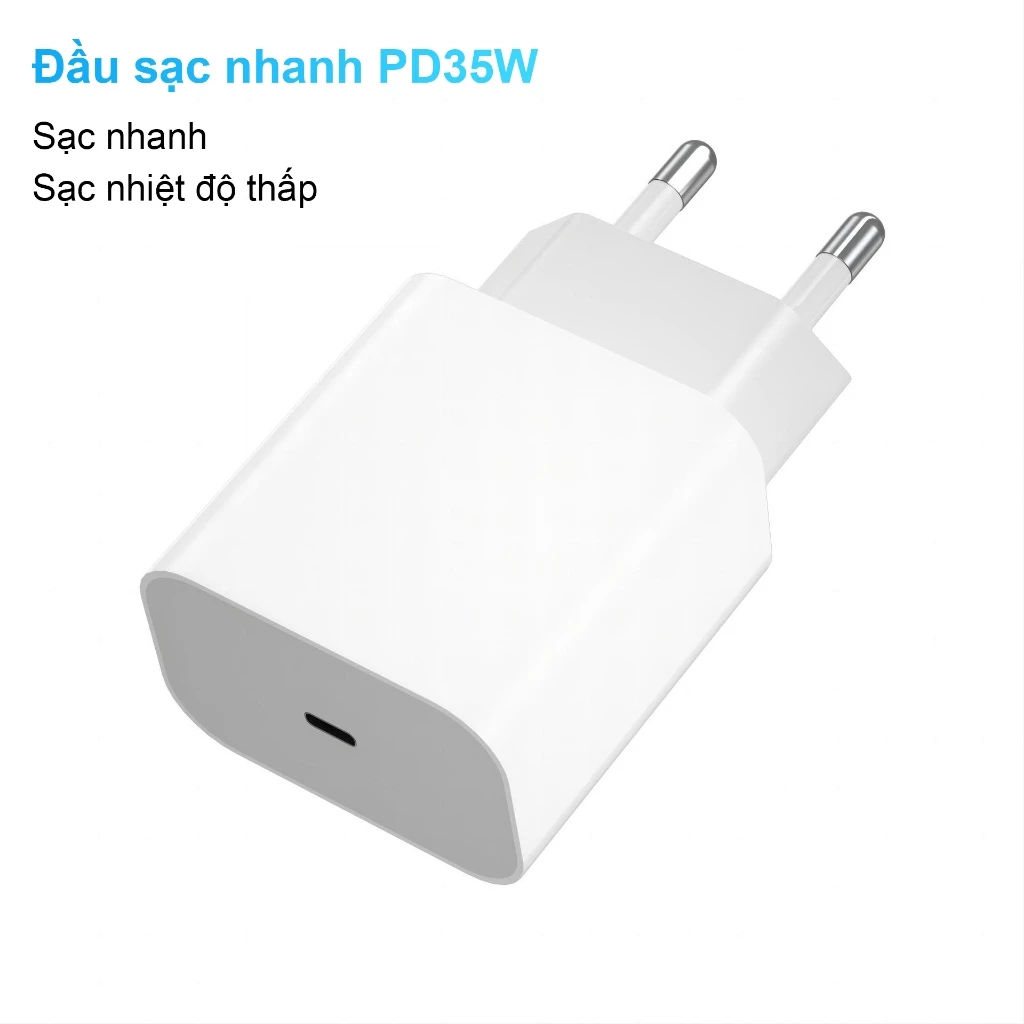
Backpacking journeys always offer priceless experiences of freedom. However, carrying dozens of tangled cables and bulky chargers for your phone, camera, tablet, or laptop is always a nightmare for any traveler. To free up space in your backpack, a 3-in-1 fast charger is the indispensable tech savior.
This product integrates multiple high-power charging ports into an ultra-compact design, helping you minimize your luggage while ensuring all your devices remain fully energized along every path.
Why Do Backpackers Need a 3-in-1 Fast Charger?
When traveling constantly, every single gram of weight in your backpack matters immensely. Here are the reasons why you should immediately invest in this versatile charger:
- Maximum Space Saving: Instead of carrying 3 separate chargers for your iPhone, MacBook, and Apple Watch, you only need a single charger roughly the size of a matchbox.
- Advanced GaN Technology: Most modern 3-in-1 fast chargers utilize GaN (Gallium Nitride) semiconductor material technology. This technology enables higher conversion efficiency, less heat generation, and an ultra-compact size compared to traditional silicon chargers.
- Simultaneous Fast Charging for Multiple Devices: You can charge your phone to check maps, power up your power bank, and charge your camera at a roadside guesthouse or cafe within a short rest period.
Golden Criteria for Choosing a Backpack 3-in-1 Fast Charger
To choose a durable and safe charger for all your journeys, keep the following technical specifications in mind:
1. Total Wattage and Current Distribution
If you carry a laptop (such as MacBook Air/Pro), prioritize chargers with a minimum output of 65W to 100W. Read the current-sharing specifications carefully when all 3 ports are plugged in simultaneously. A good charger will automatically optimize the current, for example: port 1 outputs 45W for the laptop, port 2 outputs 15W for the phone, and port 3 outputs 5W for the smartwatch.
2. Variety of Connection Ports
An ideal charger for backpackers should feature at least 2 USB-C ports (Power Delivery - PD standard) and 1 USB-A port (Quick Charge - QC standard). This combination ensures compatibility with both modern cables and older devices such as high-lumens flashlights, mini fans, or GPS locators.
3. Smart Foldable Plug Design
For items thrown into a backpack, plugs that fold neatly into the charger body are a huge plus. This design prevents the metal prongs from puncturing the backpack fabric or scratching your other expensive tech gadgets.
| Comparison Criteria | 3-Port GaN Fast Charger (Type-C/USB-A) | Foldable 3-in-1 Wireless Charging Station |
|---|---|---|
| Maximum Power | Very high (65W - 140W), capable of charging laptops | Medium (15W - 25W), mainly for mobile devices |
| Weight | Ultra-light (approx. 100g - 150g) | Slightly heavier (approx. 150g - 250g) |
| Mobility | Very high, easily fits in pants or jacket pockets | Suitable for desktop use in homestays or hotels |
| Compatibility | Compatible with all devices via cables | Limited to devices supporting wireless charging |
Common Mistakes When Buying Travel Fast Chargers
- Buying Cheap, Unbranded Chargers: Unbranded chargers on the market lacking safety certifications (such as CE, FCC, RoHS) can easily cause explosions when electrical currents in remote areas are unstable.
- Confusing Single-Port Power with Total Power: Many manufacturers advertise "65W," but that is actually the combined total power of all 3 ports when used simultaneously, while single-port charging only reaches up to 20W max. Read the technical descriptions carefully.
- Forgetting to Bring Plug Adapters: If you travel internationally, remember that each country has different socket standards (flat prongs, round prongs, three-pronged). A versatile charger combined with a universal travel adapter is the optimal choice.
Tips for Maintaining Your Charger During Hiking Trips
To keep your charger operating well even in mountain forests or coastal environments, apply these maintenance tips:
1. Use a Waterproof Accessory Pouch: Always store your charger and cables in a waterproof zip pouch or dedicated case to prevent salt spray or sudden forest rains. 2. Avoid Charging in Excessively Hot Areas: During high-power charging, the charger will warm up. Avoid charging under direct sunlight or covering the charger with blankets or pillows to ensure optimal heat dissipation. 3. Clean the Ports Regularly: Dirt or backpack lint can get stuck in the USB-C port, reducing contact efficiency. Use a dry cotton swab to clean it gently on a regular basis.
Frequently Asked Questions (FAQ)
Are 3-in-1 GaN fast chargers allowed on airplanes?
Absolutely. Airline regulations only restrict lithium-ion power banks. Direct plug-in chargers do not contain batteries, so you can freely pack them in your checked or carry-on luggage.
Should I leave chargers plugged in overnight at homestays?
Most modern fast chargers from reputable brands feature smart chips that automatically cut off current or switch to trickle charging when devices reach 100%. However, in areas with unstable power grids, you should still avoid overnight charging to prevent electrical overload risks.
Conclusion and Shopping Recommendations
A high-quality backpack 3-in-1 fast charger is an extremely worthwhile investment, making your exploration journey lighter and more complete. Don't let tangled cables or low-battery anxiety interrupt your experience.
To grab the best genuine GaN 3-in-1 fast chargers available today at discounted prices, visit our curated product page at: Tech Products for Travelers. Wishing you wonderful and fully energized trips!
Was this helpful?
No account required. Your browser cookie keeps your reaction.
Comments (0)
Loading…