
Curved Screen iPhone UV Full-Cover Tempered Glass: Worth the Money or a Disaster for Your Device?
A detailed review of UV full-cover tempered glass for curved iPhone screens. Is this the ultimate screen protection solution, or a hidden hazard that could ruin your expensive phone?
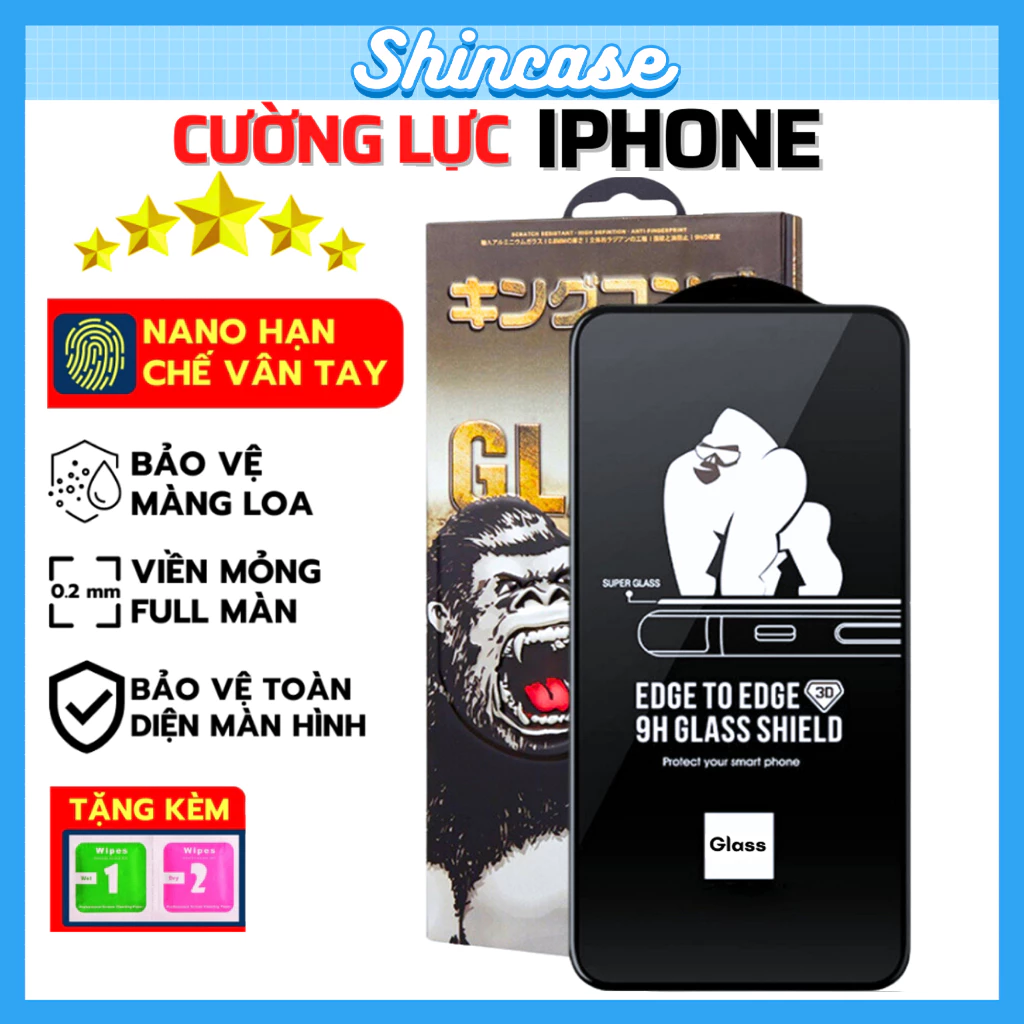
Nowadays, protecting screens on smartphones with curved edge designs has always been a tough puzzle for tech users. For iPhone generations featuring slightly rounded 2.5D edges or edge-to-edge curved screen phones, UV full-cover tempered glass has emerged as an optimal rescue solution. However, along with glowing advertisements come plenty of warnings about unfortunate mishaps during the installation process.
Is UV tempered glass really worth the money, or will it turn into a "disaster" that destroys your expensive phone? Let's analyze it in detail in the article below to get the most objective answer.
What is UV Full-Cover Tempered Glass? Mechanism of Operation
Unlike traditional tempered glass options that use a pre-integrated silicone adhesive layer beneath the glass, UV tempered glass utilizes a completely new bonding mechanism:
- Specialized Liquid Glue: The user or technician directly drops a specific amount of liquid glue onto the phone's screen surface.
- Ultraviolet (UV) Lamp: After placing the flat glass sheet onto the liquid glue layer so that the glue spreads evenly across the screen, you need to use an LED UV lamp to shine directly onto the surface for about 3–5 minutes. The UV light triggers a chemical reaction, solidifying the liquid glue into a flexible bonding film that firmly adheres between the tempered glass and the device's screen.
Outstanding Advantages of UV Tempered Glass for Curved iPhone Screens
When properly installed by skilled technicians, UV tempered glass provides extremely impressive experiences:
- Absolute Adhesion: Because the liquid glue seeps into every tiny gap and the curved edges of the screen before hardening, UV glass never suffers from edge peeling or dust accumulation after a period of use.
- Smooth Touch and High Transparency: Since there is no thick border adhesive layer blocking the touch sensitivity, the screen's touch response remains 100% intact. The displayed colors are extremely sharp, free from annoying light refraction or air bubbles.
- Limited Fingerprint Smudges: High-end UV glass surfaces are usually coated with a good quality oleophobic layer, providing a smooth gliding feel just like a bare screen.
Disadvantages and Potential "Disasters" When DIY Installing at Home
Despite possessing many superior advantages in terms of aesthetics and tactile experience, UV tempered glass is also a "nightmare" for many users who perform installation at home:
- Glue Seeping into Hardware Components: This is the most common and serious accident. When pouring the liquid glue, if not carefully shielded, the glue will flow into the earpiece speaker, power button, volume buttons, or SIM tray. When curing with the UV lamp, the solidified glue causes physical buttons to jam, blocks the speakers, and can even cause internal short circuits.
- Difficult to Remove If Using Low-Quality Glue: Unbranded, cheap UV glass kits often use inexpensive industrial glue. When replacement is needed, this adhesive layer sticks too tightly, forcing users to scrape hard, easily scratching or even breaking the device's original screen.
- High Technical Requirements: Self-installation requires meticulousness, patience, and an absolutely clean, dust-free environment. Just a small mistake allowing air bubbles in the glue can ruin an expensive piece of glass.
Comparison Table: UV Tempered Glass vs. Regular Tempered Glass
To give you an overview and make it easier to make a shopping decision, here is a detailed comparison table between the two most popular types of glass today:
| Comparison Criteria | UV Tempered Glass | Regular Edge-Glue Tempered Glass |
|---|---|---|
| Aesthetics | Very high, fits curved edges perfectly | Average, easy to reveal thick black borders |
| Touch Sensitivity | Perfect, no touch lag | Prone to freezing or touch glitches at the edges |
| Installation Difficulty | Very high, requires skill and tools | Easy, quick DIY installation at home |
| Risk of Device Damage | Yes (if glue overflows into speakers/buttons) | Almost none |
| Cost | Medium to high | Cheap to medium |
Selection Guide and Important Notes to Avoid Device Damage
If you still decide to choose UV tempered glass for maximum protection of your phone, keep these "golden" rules in mind to avoid wasting money and damaging your device:
1. Always Shield Gaps Carefully: Before pouring the liquid glue onto the screen, use specialized tape to tightly seal the earpiece, physical buttons, charging port, and microphone to prevent the glue from seeping inside. 2. Choose Reputable Accessory Brands: Absolutely stay away from unbranded UV glass. Prioritize well-known accessory brands to ensure safe adhesive quality, easy removal, and no corrosion to the phone screen. 3. Seek Help from Professional Technicians: If you are not confident in your installation skills, the safest solution is to bring the device to a reputable store for professional UV machine curing.
Where to Buy High-Quality Accessories and Tempered Glass
To find high-quality screen protection products, genuine tempered glass lines that do not harm your device, and reputable phone accessories, check out our carefully curated accessory catalog right away.
👉 Explore the Authentic iPhone Tempered Glass Collection at Ai Chọn Hàng Now
Frequently Asked Questions (FAQ)
Does installing UV tempered glass damage the original phone screen?
If you use high-quality UV glue included in genuine kits, this adhesive layer is completely safe and will not harm the screen or destroy the device's original anti-fingerprint coating. However, cheap unbranded glues may contain chemicals that corrode the glass surface if left on for too long.
When the UV glass cracks, how do you remove it safely?
Simply use a thin plastic card (such as an old ATM card or a thin scraper) to gently slide into a corner of the tempered glass, then slowly lift the glass sheet evenly. Standard UV adhesive will peel off in one piece like a flexible silicone film without leaving any sticky residue on the screen.
Was this helpful?
No account required. Your browser cookie keeps your reaction.
Comments (0)
Loading…