
Don't Buy a 100W Fast Charger Before Knowing These 3 Hard Truths
Planning to spend a fortune upgrading to a 100W charger? Hold on—there are facts about actual power delivery and battery health that manufacturers don't tell you.
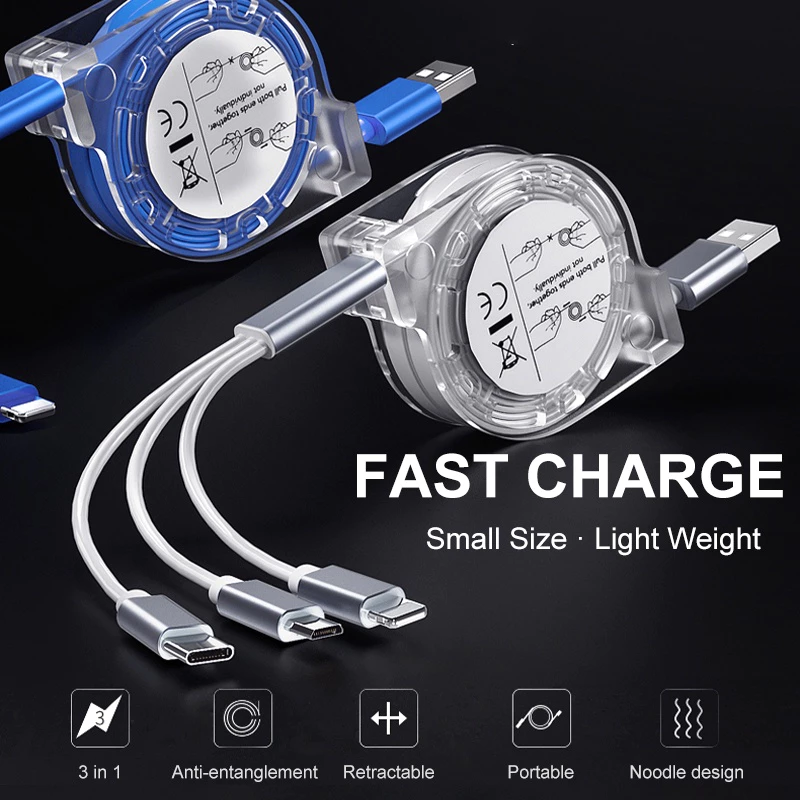
In the era of mobile devices, high-capacity fast charging like 100W has become a true craze. Everyone wants to fully charge their laptop or phone in just 30 minutes. However, behind the flashy 100W figure lie technical barriers and truths that manufacturers often ignore in their advertising campaigns. Before you decide to open your wallet for an expensive charger, let's carefully analyze the 3 core issues below.
1. First truth: Your device may not receive the full 100W
The most common mistake users make is believing that using a 100W charger means the device will charge at 100W speed. In reality, charging power is determined by the receiving device (phone, laptop), not the charger.
For example, if you use a 100W charger for an iPhone 15 Pro Max, the device will only draw a maximum of about 27W. Similarly, many office laptops only support a maximum of 45W or 65W. Even if your laptop supports 100W, it will only maintain this level for an extremely short time when the battery is below 20%. As the battery fills up, the power will drop sharply to protect the battery cells.
In addition, proprietary charging standards are also a barrier. If your charger uses Power Delivery (PD) but your phone uses a proprietary standard like SuperVOOC or Mi Turbo Charge, the charging speed may be limited to the basic 10W-18W level no matter how powerful the charger is.
2. Second truth: The charging cable is the 'bottleneck'
Many people buy a 100W charger but reuse an old cable or buy a cheap one. This is a disastrous mistake. To transmit a current of up to 5A (necessary for 100W power), the cable must have an E-Marker chip inside.
The E-Marker chip acts as a 'coordinator', confirming to the charger that this cable is safe enough to handle high current loads. Without this chip, smart chargers will automatically drop the power to a maximum of 60W (3A) to avoid short circuits, fires, or melted cables. Therefore, the actual cost of owning a complete 100W charging set includes a high-quality cable, making your total investment much higher than expected.
3. Third truth: Temperature and battery lifespan
The principle of fast charging is to push up the electrical current intensity, and the inevitable consequence is heat generation. Although current chargers use GaN (Gallium Nitride) technology to reduce size and increase efficiency, the internal temperature of the device when charging at 100W remains a tricky problem.
High temperature is the number one enemy of Lithium-ion batteries. Continuous rapid charging causes the chemical reactions inside the battery to occur more intensely, leading to rapid battery degradation. If you have the habit of using heavy tasks while charging, the combined heat can cause thermal throttling or even battery swelling.
Practical comparison: What power level do you actually need?
| Device | Recommended Power | Most Optimal |
|---|---|---|
| iPhone/Samsung Smartphone | 25W - 45W | 45W PD Charger |
| iPad Pro / MacBook Air | 30W - 67W | 65W GaN Charger |
| MacBook Pro 14/16 inch | 96W - 140W | 100W+ Charger |
| Gaming Laptop | 100W - 300W | Original Charger (DC) |
Advice on choosing charging accessories
To avoid wasting money before buying a 100W charger, follow these steps:
- Check device specifications: Read the user manual to see the maximum Wattage your device supports.
- Prioritize GaN technology: Helps the charger run cooler and remain more compact.
- Check the PPS standard: If using a Samsung device, choose a charger that supports PPS (Programmable Power Supply) to achieve maximum speed.
- Buy the included cable: Ensure the cable is 5A certified or has an E-Marker.
You can refer to the list of genuine, quality-tested charging sets and cables here: https://aichonhang.online/san-pham
Frequently Asked Questions (FAQ)
Will using a 100W charger on a device that only supports 20W cause it to burn out?
No. Modern chargers with control chips will automatically negotiate the appropriate voltage level. However, it is wasteful because you are paying for power that the device cannot use.
Why does the 100W charger only report 60W to the device?
Most likely because your cable lacks an E-Marker chip or your device's battery level is high (above 50%), at which point the device will automatically reduce speed to protect the battery.
Does fast charging really degrade the battery?
Yes, but to an acceptable degree if you use genuine accessories. However, frequently using a 100W charger in a hot environment will degrade the battery faster than using a 20W or 30W charger.
Conclusion
100W fast charging is a great technological step forward for laptops, but for the majority of phone users, it is often a waste. Don't be fooled by marketing numbers. Understand your device's needs and choose the most suitable accessories.
Discover optimal charging accessory models for each device line right away at: https://aichonhang.online/san-pham to make the smartest choice!
Was this helpful?
No account required. Your browser cookie keeps your reaction.
Comments (0)
Loading…