
Don't buy cheap antibacterial wet wipes online before knowing this truth
Cheap wet wipes flooding online markets pose many health risks. Read this article now to learn how to distinguish and choose safe products for your family.
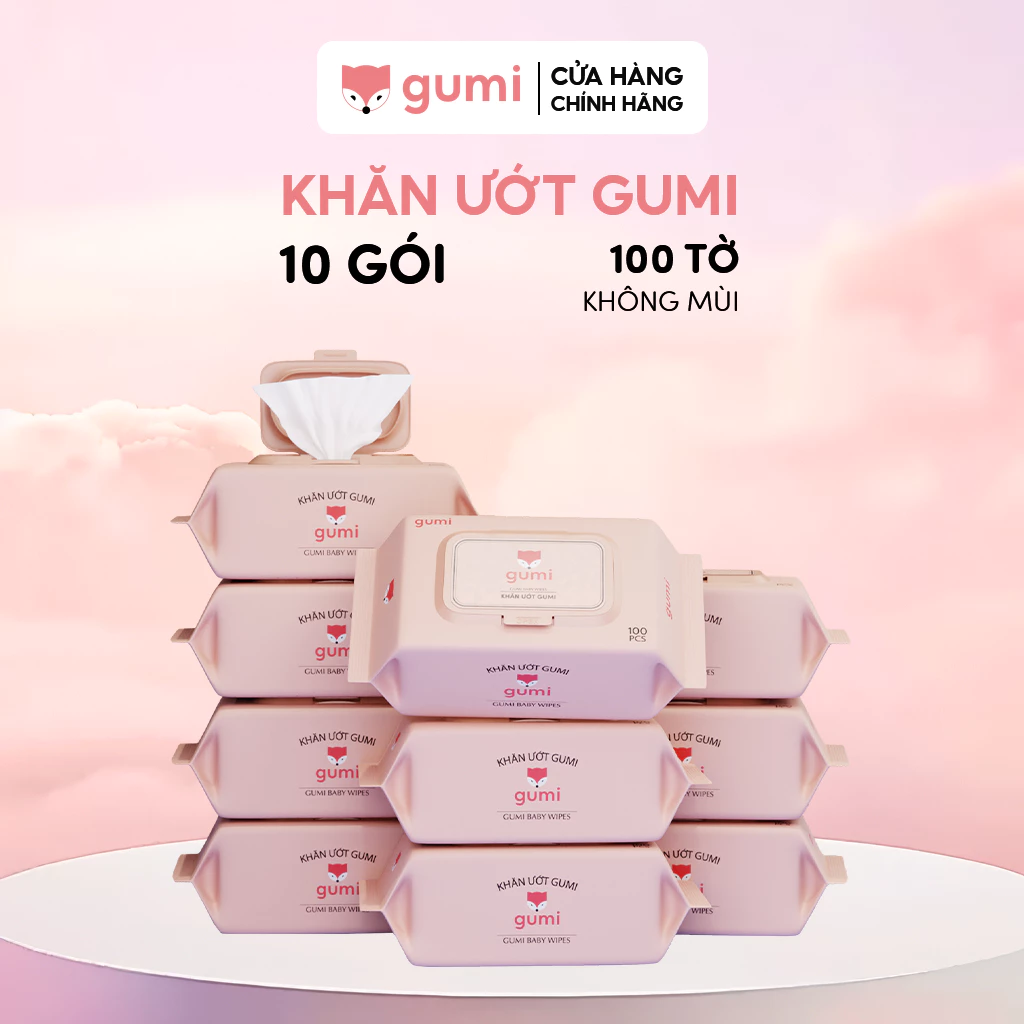
Antibacterial wet wipes have become an indispensable item in many people's handbags, especially for mothers with young children. With the advantage of convenience, quick stain removal, and antibacterial support, this product is warmly sought after. However, exploiting the psychology of cheap hunting, "origin-free", "domestic market", or "combo of 10 packs for a few tens of thousands" wet wipes are flooding online markets and e-commerce platforms. Are they really as safe as advertised? Let's decode the truth behind these cheap wet wipes.
The truth about the origin of cheap antibacterial wet wipes
Most super-cheap wet wipes advertised in combos on Facebook groups or TikTok usually lack clear labels or have foreign text without Vietnamese sub-stamps. Research shows that many facilities producing these wipes operate manually without sterile conditions.
The standard wet wipe production process requires an RO water filtration system, a cleanroom, and automated packaging machines to prevent contamination. Conversely, unbranded goods are often soaked in untreated water and unverified chemicals. Using unclean water sources is an ideal environment for bacteria and mold to grow right inside the wipe package before reaching consumers.
Potential harmful ingredients
To keep wet wipes from molding and smelling strongly for a long time, budget manufacturers often use high doses of chemical preservatives and industrial fragrances. The two most concerning ingredients are:
- Parabens and Methylisothiazolinone (MI): These are preservatives capable of causing severe skin allergies. In many countries, these active ingredients have been restricted or banned in cosmetics coming into direct contact with the skin due to the risk of contact dermatitis.
- Cheap fragrances: Cheap wet wipes often have a very harsh scent. These are benzene derivatives that can irritate the respiratory system, especially dangerous for newborns and people with sensitive skin.
- Industrial alcohol: To create a false cooling and "antibacterial" sensation, many cheap wet wipes mix high alcohol concentrations, stripping away the skin's natural oils, causing dryness and rapid aging.
Health risks when using poor quality wet wipes
Using substandard wet wipes does not stop at ineffective cleaning but also causes serious health consequences:
1. Dermatitis and allergies: The most common symptoms are redness, itching, and blisters immediately after use. For young children, this can lead to severe diaper rash and skin infections. 2. Endocrine disruption: Some preservatives in the Paraben group are warned to have the ability to interfere with the body's endocrine system if used frequently over a long period. 3. Reverse bacterial contamination: Instead of killing bacteria, wet wipes produced in dirty environments may already contain germs (such as Staphylococcus aureus or Pseudomonas aeruginosa), causing open wounds to become more severely infected.
How to distinguish standard antibacterial wet wipes from poor quality goods
To protect yourself and your family, you can rely on the comparison table below to make a smart choice:
| Feature | Genuine/Standard wet wipes | Cheap/Unbranded wet wipes |
|---|---|---|
| Packaging | Sharp printing, complete manufacturer info, clear expiration date | Blurry images, no company address, only foreign text |
| Scent | Unscented or mild natural fragrance | Strong characteristic smell of chemicals and cheap fragrances |
| Material | Thick, soft non-woven fabric, leaves no lint | Thin, easily torn, rough surface, leaves lint after wiping |
| Moisture | Moderate moisture, solution evenly soaked | Too soggy or dries quickly, leaves a slimy feeling on hands |
| Certification | Has antibacterial and dermatological testing certifications | Has no testing documents whatsoever |
Shopping advice for wet wipes
Don't just look at the number of wipes or the cheap price and ignore safety factors. Prioritize products that clearly state "Alcohol-free" and "Paraben-free". Also, check the lid; good wipes usually have a sturdy plastic lid to prevent environmental bacteria from entering after opening the package.
To ensure you buy genuine products at a reasonable price and receive protection from reputable e-commerce platforms, you can check out the list of standard antibacterial wet wipes here:
👉 View the list of safe antibacterial wet wipes at Ai Chọn Hàng
Frequently Asked Questions (FAQ)
1. Can antibacterial wet wipes be used to wipe the face?
You should not abuse antibacterial wet wipes to wipe your face frequently, except in emergencies. Facial skin is thinner and more sensitive than hand skin, and antibacterial agents can dry and irritate facial skin.
2. How to know if wet wipes contain banned substances?
The simplest way is to read the ingredients list. Avoid products containing: Methylisothiazolinone, Propylparaben, Butylparaben, or Phenoxyethanol derivatives if you have sensitive skin.
3. Do wet wipes have an expiration date?
Yes. Normally, wet wipes expire 2-3 years from the manufacturing date. However, after opening, you should use them up within 1-3 months to ensure the best moisture and antibacterial activity.
Conclusion
Don't let the flashy appearance of "super cheap" combos fool you. The health of your skin and body is worth much more than a few tens of thousands of dong saved from buying unbranded wet wipes. Be a smart consumer by choosing reputable brands at trusted addresses.
To find more quality family care products, visit immediately: https://aichonhang.online/san-pham
Was this helpful?
No account required. Your browser cookie keeps your reaction.
Comments (0)
Loading…