
Why Does Your Insulated Tumbler Develop an Unpleasant Fishy Odor After Just a Few Uses?
Did your insulated tumbler suddenly develop an unpleasant, fishy odor after just a few uses? Discover the root causes and thorough cleaning methods to protect your health.
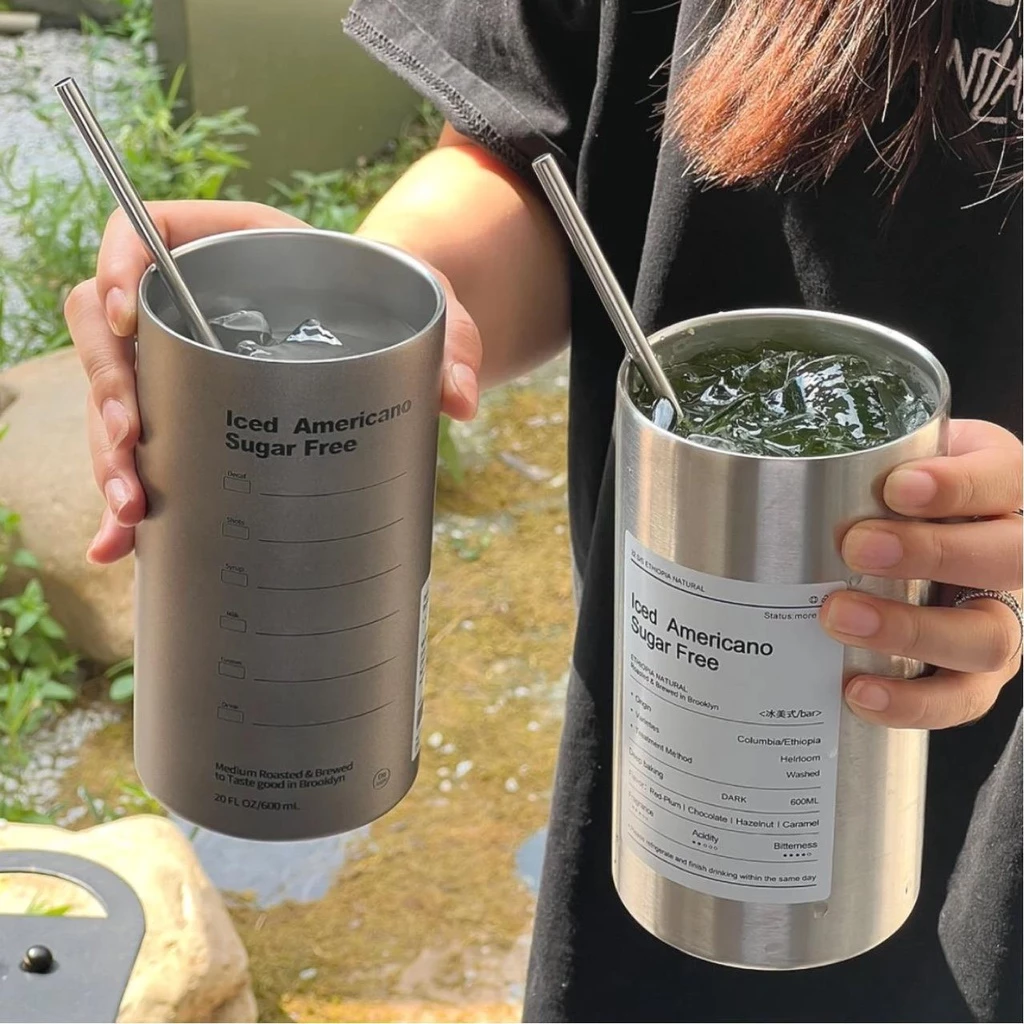
Insulated tumblers have become indispensable items for many people thanks to their convenience and excellent heat and cold retention for favorite drinks. However, quite a few users face an ironic situation: a newly purchased cup develops a very unpleasant, musty, fishy odor after just a few uses. Even after washing with regular dish soap, this stubborn odor clings, directly affecting the taste of the drink and raising concerns about food safety and hygiene.
Why does your insulated tumbler develop an unpleasant fishy odor after just a few uses? Is this a sign that the cup is damaged or due to poor stainless steel quality? Let's explore the detailed causes and how to completely fix this issue through the article below.
Why does your insulated tumbler develop an unpleasant fishy odor after just a few uses?
The issue of an insulated tumbler having a strange odor is not simply caused by leftover drinks. In fact, this phenomenon stems from several objective and subjective causes below:
1. Bacteria and mold accumulate on the rubber gasket
This is the most common cause. The lid of an insulated tumbler always has a rubber (silicone) gasket to keep air sealed and prevent water leaks. However, the small gap underneath this gasket is an ideal hiding place for bacteria and mold. When you drink water, especially drinks containing sugar, milk, tea, or coffee, tiny water droplets get trapped in this groove. If you do not remove the rubber gasket for regular cleaning, bacteria will multiply extremely fast, creating a strong, fishy odor.
2. Using the tumbler for easily fermented and odor-retaining drinks
Drinks like fresh milk, orange juice, fruit smoothies, and milk coffee are very nutritious but easily spoil and ferment at room temperature. If you just leave a drink in the cup for a few hours or overnight, proteins and sugars will tightly adhere to the stainless steel surface, creating a biofilm that emits an extremely unpleasant fishy odor.
3. Poor stainless steel quality of the insulated tumbler
Cheap, unbranded insulated tumblers are often made from low-quality stainless steel (such as grade 201 instead of standard grade 304 or medical-grade 316 stainless steel). Poor quality stainless steel easily oxidizes and corrodes when exposed to acid in fruit juice or salt in soup. This metal-releasing process creates a characteristic heavy iron-like fishy odor, which is extremely harmful to health with long-term use.
4. The habit of closing the lid tightly while the cup is still damp
After washing the cup, many people have the habit of turning it upside down or closing the lid immediately when the inside is not completely dry. The lack of ventilation in a confined, humid environment stimulates mold growth, creating a stuffy, musty, fishy odor the next time it is used.
Simple ways to fix and clean a smelly insulated tumbler at home
If your cup has an unpleasant odor, don't throw it away just yet. Apply these extremely simple and safe cleaning tips using easy-to-find ingredients below:
- Use a mixture of Baking Soda and Vinegar: Put 1-2 teaspoons of baking soda into the cup, then pour in half a cup of warm vinegar. This mixture will fizz strongly, helping to blow away all yellow stains and remove the fishy odor clinging to the walls of the cup. Soak for about 15-20 minutes, then wash again with warm water.
- Use fresh lemon: The natural citric acid in lemon has excellent antibacterial and fishy odor removal abilities. You just need to slice 1 fresh lemon, put it in the cup with hot water, close the lid and soak for 1 hour, then wash it clean.
- Use tea grounds or coffee grounds: Coffee grounds or dry tea leaves have superior odor-absorbing properties. Put coffee grounds into the cup, add a little warm water and leave it overnight. The next morning, wash it again, and the cup will smell fresh.
Comparison table of the effectiveness of insulated tumbler deodorizing methods
Below is an objective evaluation table of methods to help you easily choose the most suitable processing method:
| Method | Fishy odor removal ability | Antibacterial ability | Implementation cost | Safety level |
|---|---|---|---|---|
| Baking Soda + Vinegar | Excellent | Very high | Very low | Absolutely safe |
| Fresh lemon / Vinegar | Good | High | Low | Absolutely safe |
| Coffee grounds / Green tea | Good | Medium | Self-utilized | Absolutely safe |
| Regular dish soap | Medium | Low | Low | Safe |
Disastrous mistakes to avoid when cleaning your insulated tumbler
To protect the non-stick coating and heat retention of your cup, you must strictly avoid the following mistakes:
- Using a steel wool scrubber or harsh detergents: Scrubbing with a metal mesh pad will scratch the interior stainless steel surface of the cup, making it easier for bacteria to cling and increasing the risk of rust.
- Putting the cup in the microwave or freezer: Sudden temperature changes or microwave wavelengths can deform the vacuum insulation structure, completely ruining the cup.
- Not removing the rubber gasket when washing: If you only wash the outside and ignore this rubber gasket, the fishy odor will never completely disappear.
Frequently Asked Questions (FAQ)
What material are insulated tumblers made of to least retain odors?
High-end insulated tumblers made from 304 Stainless Steel (SUS 304) or 316 Stainless Steel (SUS 316) have absolute corrosion resistance, a smooth surface, so they retain very little odor and are much easier to clean than cheap grade 201 stainless steel.
How often should you deep clean your insulated tumbler?
Wash the cup thoroughly with dish soap right after each use. For deep cleaning (deodorizing with baking soda, removing the rubber gasket to wash separately), you should do it periodically once a week to ensure food hygiene and safety.
Why does a newly purchased, unused cup have a harsh smell?
New insulated tumblers often smell like new plastic, silicone, or machine oil from the manufacturing process. You just need to soak the cup in warm water mixed with a little dish soap or vinegar for about 30 minutes before the first use, and this smell will disappear.
Conclusion and product purchase suggestions
The reason why your insulated tumbler develops an unpleasant fishy odor after just a few uses mostly comes from improper cleaning or poor cup materials. To protect the health of yourself and your family, besides careful cleaning habits, investing in a genuine insulated tumbler from a reputable brand is extremely necessary.
If you are looking for durable, safe insulated tumblers made from high-grade stainless steel without worrying about odor retention, visit the High-quality product category at aiChọnHàng immediately to own genuine products at the best promotional prices!
Was this helpful?
No account required. Your browser cookie keeps your reaction.
Comments (0)
Loading…